Sun damage tends to show up slowly: a few flat brown spots on the cheeks or hands, a more uneven skin tone, fine lines and a rougher texture. These changes are very common, especially from your thirties onwards, and many of them can be improved. This guide explains what sun damage looks like, which spots should be checked by a doctor first, and the treatments we offer at The Aesthetics Table in South Liverpool.
What does sun damage look like?
- Age spots (sun spots or solar lentigines): flat, light to dark brown patches, usually on the face, hands, shoulders and chest
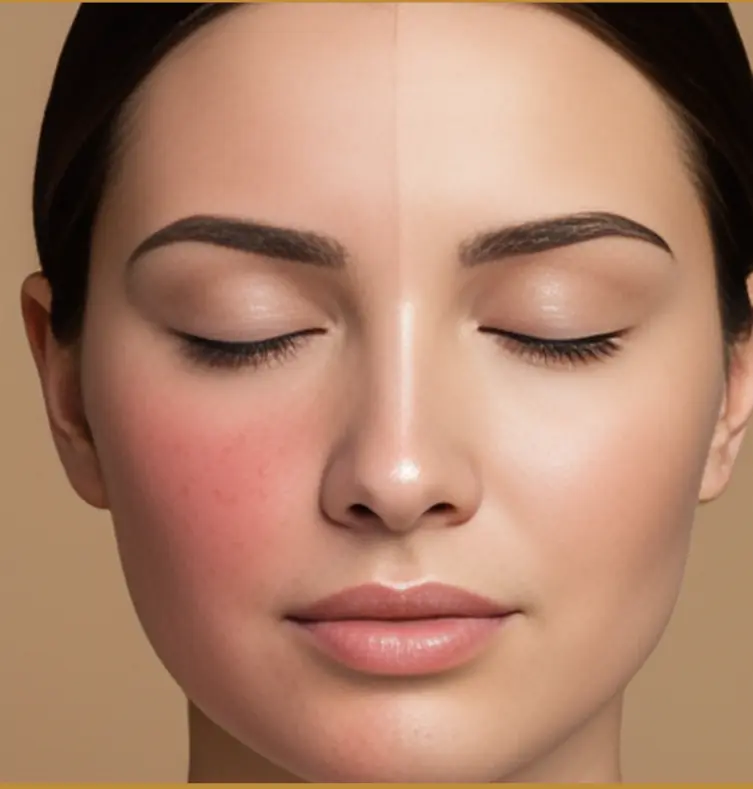
- Uneven tone and mottled pigmentation: a blotchy or patchy complexion rather than distinct spots
- Freckles that darken in summer and persist into winter
- Visible small blood vessels and redness, particularly around the nose and cheeks
- Rough texture, fine lines and loss of elasticity, as UV breaks down collagen over time
Safety first: spots that need a doctor
Most brown spots from sun exposure are harmless, but some skin cancers can look similar at first glance. Before any spot is treated cosmetically, it should be clearly identified. Please see your GP promptly, rather than booking a cosmetic treatment, if a spot:
- Is new and growing, or has changed in size, shape or colour
- Has an irregular or ragged edge, or more than one colour
- Bleeds, itches, crusts or will not heal
- Feels rough and scaly and keeps coming back (this can be actinic keratosis, which should be assessed medically)
- Simply looks different from your other spots
The NHS advises getting any new or changing mole or skin mark checked. At consultation, we will not treat a lesion we are not confident is benign, and we will refer you back to your GP if anything needs medical review.
Treatments that can help sun damage
Laser skin rejuvenation
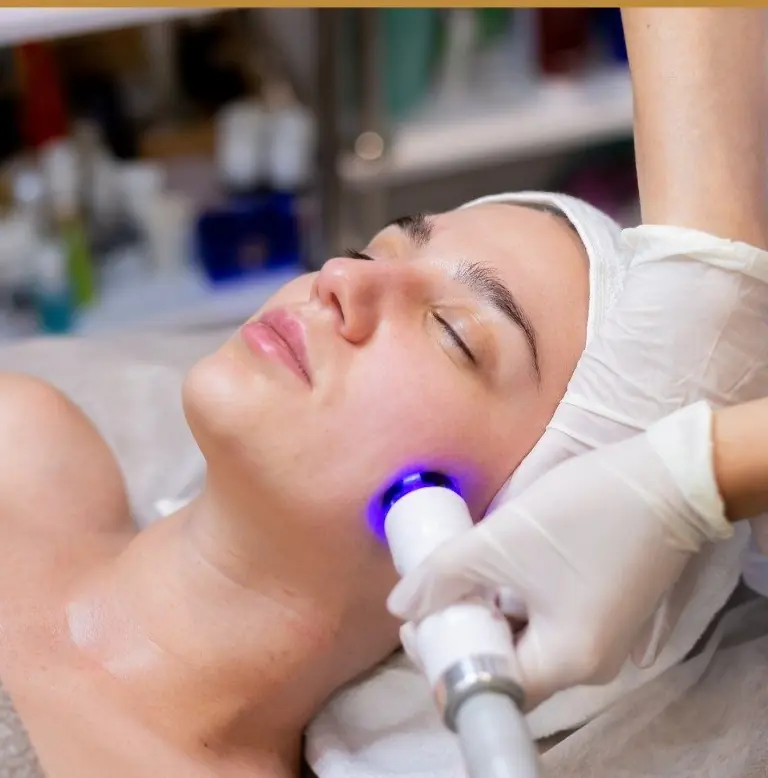
Laser skin rejuvenation can target brown pigmentation and redness while supporting collagen production. It is usually given as a course, starting from £70 a session for the face. Pigmented spots often darken slightly before they flake away over the following days.
CryoPen for individual spots
For suitable individual benign lesions, CryoPen uses precise cold to treat the spot. It costs £90 for a 30-minute session. Our guide to what CryoPen can treat explains which lesions are suitable.
Chemical peels
Peels remove damaged surface cells so fresher skin can come through. A TCA peel is a medium-depth option for more stubborn pigmentation, while pH Formula resurfacing is gentler and can be repeated as a course. Compare them on our chemical peels Liverpool page.
Medical-grade skincare
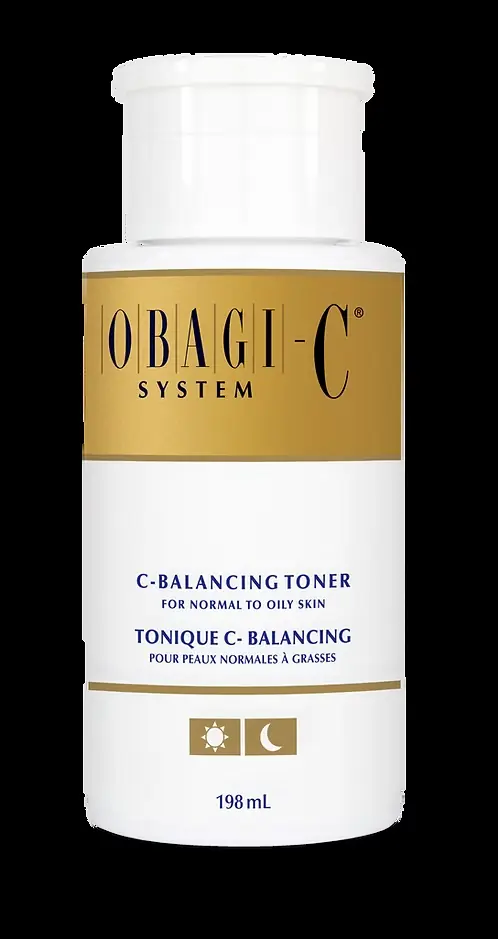
Home skincare matters as much as clinic treatment. Ingredients such as vitamin C and gentle exfoliants can support a more even tone between appointments. We can recommend Obagi skincare suited to your skin after an assessment.
Sun damage, melasma or something else?
Not all pigmentation is caused by the sun alone. Melasma, for example, is linked to hormones as well as UV and needs a gentler, longer-term approach, because some treatments can make it worse. Our guide to melasma vs hyperpigmentation explains the difference, and our pigmentation treatment page covers how plans are built.
Protecting your results
Pigmentation can return with sun exposure, even after successful treatment. To protect your skin:
- Use a broad-spectrum SPF 30 or higher every day, including in winter and on cloudy days
- Reapply when outdoors for longer periods
- Wear a hat and seek shade in strong sun
- Avoid sunbeds
- Plan laser and peel treatments for times when you can avoid strong sun afterwards
Frequently asked questions
Can age spots be removed completely?
Many age spots can be lightened significantly or cleared, but new spots can develop with further sun exposure. Daily SPF helps keep results.
How many treatments will I need?
It depends on the treatment and the amount of pigmentation. Single spots may need one or two CryoPen sessions, while laser and peels usually work best as a course.
Is there downtime?
Laser can cause temporary redness and darkening of spots before they flake. A TCA peel involves several days of visible peeling. Gentler options have little downtime.
When is the best time of year for treatment?
Autumn and winter are often easiest, when it is simpler to avoid strong sun while the skin recovers.
Book a consultation
Every plan starts with a consultation and skin assessment. We are at Business First Centre, Goodlass Road, Liverpool L24 9HJ, with parking on site. Book online or call 0151 804 4207.
This guide is general information and not a substitute for medical advice or a personal consultation. If you are worried about a mole or skin mark, please see your GP.