Obagi Professional-C serum is a range of vitamin C serums based on L-ascorbic acid, offered in three strengths so you can build tolerance gradually: 10%, 15% and 20%. Many people new to vitamin C start lower and step up, while the 15% often suits those who already use actives. You apply it in the morning before moisturiser and SPF, and a consultation helps you choose.
What is in the Professional-C range?
Professional-C is Obagi’s serum line built around L-ascorbic acid, the pure form of vitamin C. Vitamin C is an antioxidant, which means it helps protect skin from some of the daily stress caused by UV light and pollution. Used consistently, it may also help skin look brighter and more even in tone, and it supports the skin’s own collagen processes.
At The Aesthetics Table, the Professional-C range we stock includes:
| Product | Size | Price |
|---|---|---|
| Professional-C Serum 10% | 30ml | £115 |
| Professional-C Serum 15% | 30ml | £140 |
| Professional-C Serum 20% | 30ml | £170 |
| Professional-C Peptide Complex | 30ml | £140 |
| Professional-C Microdermabrasion Polish + Mask | 80g | £120 |
Prices are correct at the time of writing and are confirmed in clinic. You can see the wider range on our Obagi skincare Liverpool page.
Which strength should you choose?
A higher percentage is not automatically better. A stronger serum can be more likely to tingle or irritate, and if your skin is unhappy you are less likely to use it every day, which is what actually delivers results. As a general guide:
10%: a gentle starting point
Often a sensible first step if you have never used vitamin C, if your skin is on the drier or more sensitive side, or if you are already using other active products and want to avoid overloading your routine.
15%: the popular middle ground
The strength many people search for, and a common next step once your skin is comfortable with a lower percentage. It may suit normal, combination or oilier skin that tolerates actives well.
20%: for experienced users
Usually reserved for people whose skin has already adapted to vitamin C and who want a more concentrated option. It is not the place to start.
Your skin’s sensitivity, any redness or rosacea, the other products you use and your goals all affect the right choice, so we recommend a consultation before you buy. If you already have a strength in mind, bring it up and we will talk it through honestly.
How to use Professional-C
Vitamin C fits best into your morning routine, where its antioxidant role complements your sunscreen.
- Cleanse and gently pat your skin dry.
- Tone, if you use a toner as part of your routine.
- Apply a few drops of serum to the face and neck, avoiding the eye area and any broken skin.
- Allow it to absorb for about a minute.
- Moisturise as normal.
- Finish with a broad-spectrum SPF, every morning, all year round.
If you are new to vitamin C, start every other morning for the first week or two, then increase to daily if your skin is comfortable. A slight, brief tingle can be normal with L-ascorbic acid.
Using it with other products
- Retinol: keep retinol for the evening and vitamin C for the morning, rather than layering them together.
- Exfoliating acids: avoid applying strong acids at the same time as your serum, especially when you are starting out.
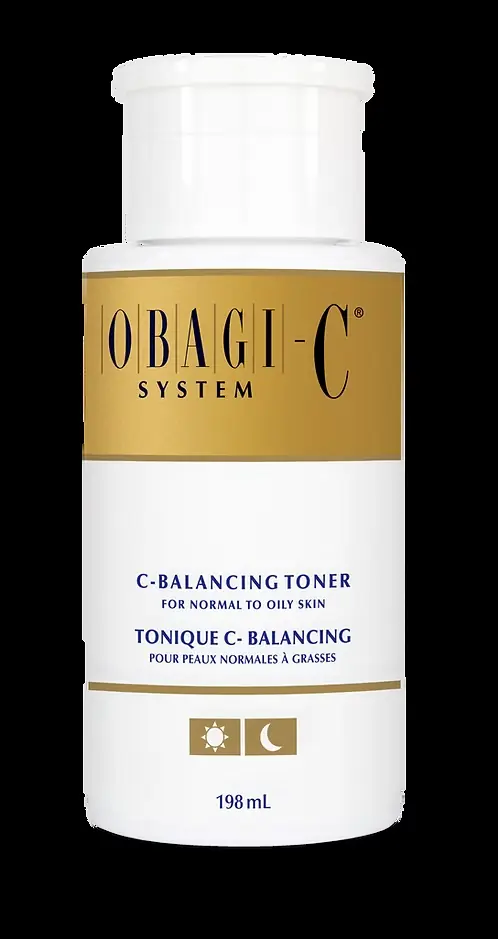
- Professional-C vs Obagi-C: Professional-C is a serum line you can add to an existing routine, whereas Obagi-C is a complete system with its own cleanser, toner and moisturiser. Mixing systems without guidance can cause irritation.
- Sunscreen: vitamin C is not a substitute for SPF. The two work best together.
Storage and getting the most from each bottle
L-ascorbic acid is effective but delicate, and it breaks down when exposed to air, light and heat. To keep your serum working well:
- replace the cap straight after use
- store it somewhere cool and away from direct sunlight, not on a sunny windowsill or near a radiator
- notice its colour; if the serum turns noticeably darker, it may have oxidised and lost some effectiveness
- use it consistently rather than saving it for special occasions
Side effects and who should check first
Most people tolerate vitamin C well when they start gradually. Possible side effects include tingling, mild redness, dryness or a temporary feeling of tightness. Stop using it and contact the clinic if you develop a rash, persistent stinging, swelling or itching. Seek urgent medical help if you notice swelling of the lips, face or throat or have difficulty breathing.
Speak to us before starting if you have rosacea or very reactive skin, eczema or broken skin on the face, or if you are pregnant or breastfeeding, so we can advise on a suitable routine. Results build gradually: many people notice skin looking brighter over several weeks, with continued improvement over a few months of daily use.
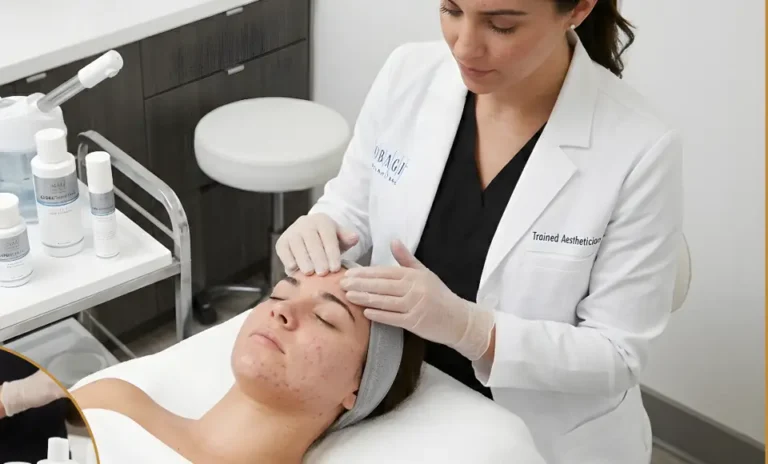
If you would like to experience Professional-C in clinic first, the Obagi Antioxidant Force Facial uses the Professional-C Microdermabrasion Polish + Mask alongside vitamin C, peptides, hydration and SPF. It takes 60 minutes and costs £130. For uneven tone that might be melasma, our guide on melasma vs hyperpigmentation explains why a tailored plan matters.
Frequently asked questions
Is the 15% Obagi vitamin C serum too strong for a beginner?
For some people it is fine, but many beginners do better starting at 10% and stepping up. A consultation helps you decide.
Can I use Professional-C with retinol?
Yes, in the same routine overall, but use vitamin C in the morning and retinol in the evening.
Why does my serum tingle?
A brief tingle is common with L-ascorbic acid. Ongoing stinging, redness or a rash means you should stop and get advice.
How long does a bottle last?
It depends on how much you use and how often. Using only a few drops each morning helps it go further.
Book a consultation in South Liverpool
We can look at your skin and recommend the Professional-C strength that suits it, along with a routine that fits your life. Visit us at Business First Centre, Goodlass Road (L24), book a consultation online or call 0151 804 4207.
This guide is general information and not a substitute for a personal consultation. Suitability for any treatment is assessed individually.