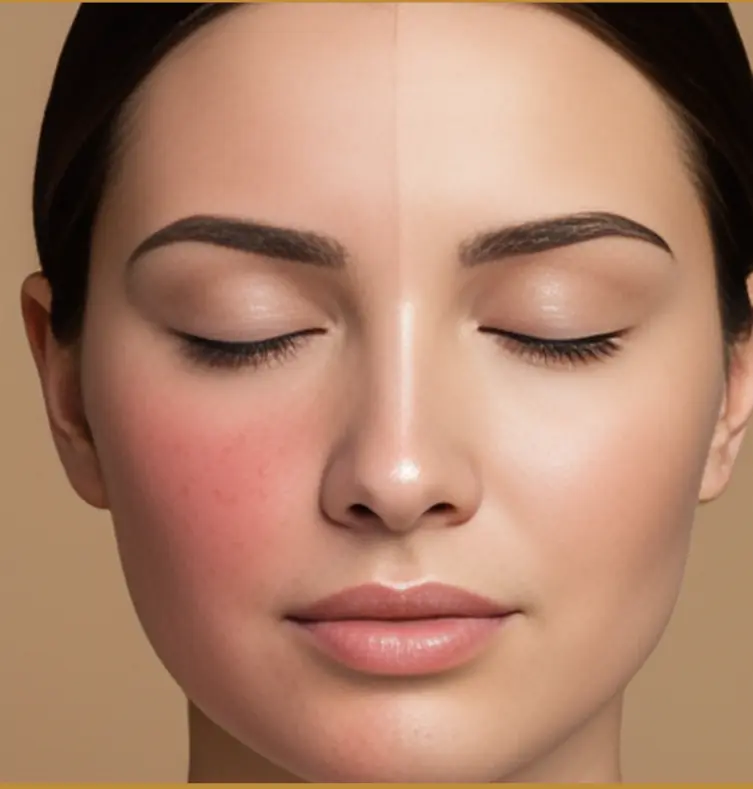
The key to melasma vs hyperpigmentation is that hyperpigmentation is the umbrella term for any skin darkening, while melasma is one specific, hormone-sensitive type within it. Melasma forms soft, symmetrical patches on the cheeks, forehead or upper lip and tends to be long-term and prone to coming back. Other hyperpigmentation, such as sun spots or marks after spots, often responds more predictably.
Hyperpigmentation: the umbrella term
Hyperpigmentation simply means areas of skin that are darker than the surrounding skin because of extra melanin. It is a description, not a diagnosis. Several quite different conditions sit under this heading, and each behaves differently:
- Sun spots and age spots: defined, flat brown marks on skin that has had years of sun exposure.
- Post-inflammatory hyperpigmentation: marks left behind after spots, eczema, a burn, a graze or an irritating treatment. It is especially common in medium and darker skin tones.
- Melasma: larger, blurred patches driven by a mix of hormones, light and heat, typically on the face.
Side-by-side comparison
| Melasma | Post-inflammatory marks | Sun spots | |
|---|---|---|---|
| Appearance | Blotchy, blurred patches, often symmetrical on both sides of the face | Flat marks where skin was inflamed or injured | Small, well-defined brown spots |
| Common areas | Cheeks, forehead, upper lip, nose, chin | Anywhere, often where spots were | Face, hands, chest, shoulders |
| Main triggers | Hormones, sunlight, visible light, heat, genetics | Inflammation or skin injury | Cumulative sun exposure |
| How it behaves | Long-term, often fluctuates and returns, especially in summer | Often fades gradually once the cause settles | Tends to stay until treated; new spots can appear |
It is common to have more than one type at the same time, which is one reason a professional assessment is so useful.
Why melasma needs a different approach
Melasma is a long-term condition. It can be improved and controlled, but it can return, and many people find it darkens again with summer sun, pregnancy or hormonal changes. Being honest about this from the start helps you choose a plan you can sustain.
Melasma is linked to:
- pregnancy, which is why it is sometimes called the mask of pregnancy
- hormonal contraception and hormone replacement therapy
- ultraviolet light and visible light, including bright daylight through windows
- heat, from hot climates, saunas, hot yoga or cooking over a hot stove
- family history and naturally medium to darker skin tones
Because heat and inflammation can make melasma worse, aggressive treatments that heat or irritate the skin can sometimes backfire, leaving it darker than before. Gentle, consistent treatment combined with strict protection tends to be more effective than chasing a quick fix. Treatments that work well for a defined sun spot may not be the best choice for melasma, and the reverse is also true.
How each type is treated at The Aesthetics Table
Every plan starts with identifying which type of pigmentation you have, how deep it sits and what is driving it. Our pigmentation treatment in Liverpool combines professional resurfacing, medical-grade skincare and other supportive treatments, chosen to suit your skin. Sessions take around 60 minutes and cost £160, or £800 for a course of 6.
Controlled resurfacing
pH Formula skin resurfacing is offered in three levels, from mild to intensive, chosen according to your skin and concern. Level 1 typically involves 1 to 3 days of mild redness or flaking, rising to 3 to 5 days for Level 3. The controlled approach aims to renew the skin while supporting the skin barrier, which matters for pigment-prone skin that reacts badly to irritation.
Medical-grade home care
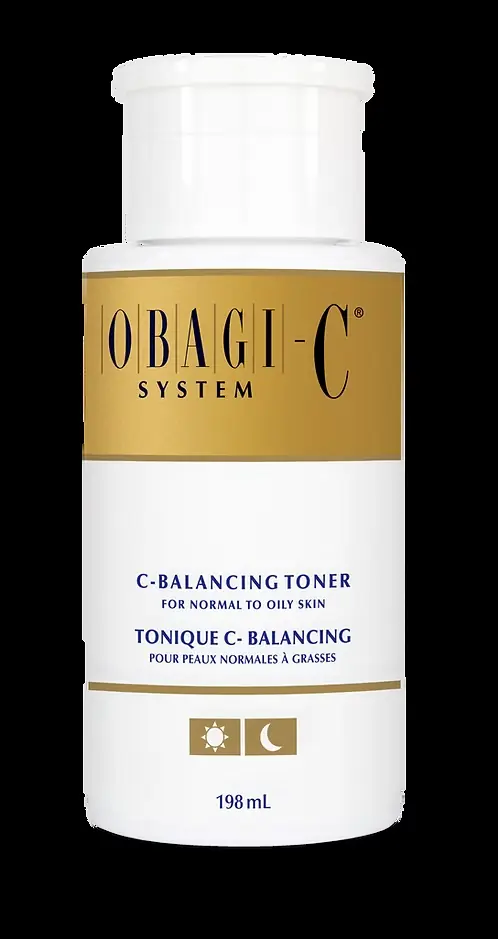
What you do at home every day is often the deciding factor. Our Obagi skincare range in Liverpool includes vitamin C serums, brightening products and daily SPF that may help improve uneven tone over time. Some of the strongest pigment products are only available after a prescriber’s assessment, so your skin is checked before anything like this is recommended.
Sun protection, every day
Whatever type you have, daily broad-spectrum SPF is essential. For melasma, many people find a tinted mineral sunscreen helpful, as tinted formulas can offer some protection from visible light too. Reapply when outdoors, wear a wide-brimmed hat and seek shade where you can.
Small habits also help keep pigment calmer: avoid picking spots or scrubbing your skin, limit exposure to intense heat where possible, and introduce new active products one at a time so you can spot anything that irritates. For melasma, think of these as lifelong maintenance rather than a short course.
Safety and when to see your GP
Many pigment treatments and active ingredients are not suitable during pregnancy or breastfeeding, so let us know if this applies to you. Resurfacing may also need to wait if you have an active infection, cold sore, broken skin or a recent tan.
Not every dark mark is pigmentation. See your GP if a dark spot or mole is new, changing in size, shape or colour, bleeding, itching or looks different from your other marks. These need a medical assessment rather than a cosmetic treatment.
Results build gradually. Superficial marks may lighten within weeks, while melasma and deeper pigment usually need months of consistent treatment and protection, followed by maintenance.
Frequently asked questions
Can melasma be cured?
Melasma is best thought of as a long-term condition that can be improved and controlled rather than cured. It can return, especially with sun exposure or hormonal changes.
Does melasma fade after pregnancy?
It sometimes fades in the months after pregnancy, but for many people it persists and needs ongoing care and sun protection.
Is laser good for melasma?
It depends. Some laser approaches can help certain pigmentation, but heat can worsen melasma in some people, so suitability is assessed carefully.
Should I wait until winter to treat pigmentation?
Many people start in autumn or winter when sun exposure is lower, but treatment can be planned year-round with strict daily SPF.
Book a consultation in South Liverpool
If you are not sure whether you have melasma or another form of pigmentation, we can assess your skin and talk you through realistic options. Visit us at Business First Centre, Goodlass Road (L24), book online or call 0151 804 4207.
This guide is general information and not a substitute for a personal consultation. Suitability for any treatment is assessed individually.