Polynucleotides results develop gradually rather than overnight. Most treatment plans involve a short course of sessions spaced a few weeks apart, and many people notice skin looking healthier and more resilient over the weeks after the course, not the day after an injection. How many sessions you need depends on your skin, the area treated and what you want to improve.
What polynucleotides do in the skin
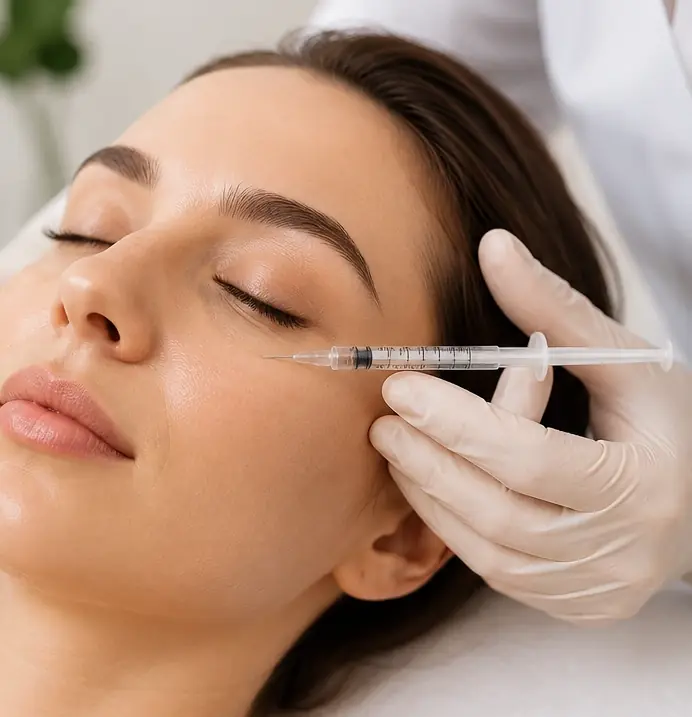
Polynucleotides are highly purified DNA fragments used in regenerative aesthetic treatment. They are injected in small amounts into the skin, where they aim to support its natural repair processes and improve the environment that skin cells work in. Unlike dermal fillers, they are not designed to add volume or change your features. The changes they target are quality changes: hydration, texture, elasticity and how robust the skin looks.
That regenerative approach is the reason results are gradual. You are not seeing a product sitting under the skin; you are seeing the skin responding over time.
How many sessions will you need?
There is no single number that suits everyone, but most plans follow the same pattern:
- An initial course. A small number of sessions, spaced a few weeks apart, so each treatment builds on the last. A single session on its own is unlikely to show the full benefit.
- A review. Once the course is complete and skin has had time to respond, results are assessed.
- Maintenance. Occasional top-up sessions help sustain the improvement, as natural ageing continues.
Several things can change the plan:
- Treatment area. The delicate under-eye area is often treated differently from the cheeks, neck or hands.
- Starting point. Skin that is very thin, crepey or sun-damaged may benefit from a longer course than skin with early, mild changes.
- Goals. Someone wanting general skin quality support may need less than someone focusing on acne scarring or under-eye texture.
- Lifestyle. Smoking, sun exposure and poor sleep all work against skin repair.
At your consultation for polynucleotide treatment in Liverpool, your skin is assessed and you are given a clear plan, including how many sessions are suggested and the cost, before you commit. Prices are confirmed at consultation.
A realistic results timeline
| When | What is common |
|---|---|
| Straight after a session | Small raised bumps at injection points, mild redness, sometimes slight bruising |
| First day or two | Bumps usually flatten and redness settles |
| During the course | Some people notice skin feels more hydrated or looks fresher; others notice little yet |
| Weeks after the course | Gradual improvement in texture, elasticity and overall skin quality |
| Longer term | Maintenance sessions help keep the benefit as skin continues to age |
It helps to take your own photos in the same light before your first session and again a few weeks after your last. Gradual improvements are easy to miss when you see your face every day.
Getting the most from your course
Because polynucleotides support the skin’s own repair, what you do between sessions matters. Keeping to the planned spacing, rather than stretching gaps out or squeezing sessions together, gives skin a consistent prompt to respond. Daily SPF protects new improvements from UV damage, and a simple, well-tolerated skincare routine helps more than chopping and changing products mid-course. If you smoke, cutting down is one of the most useful things you can do for skin quality. Let us know if anything changes with your health or medication during the course, as this can affect timing.
Polynucleotides vs Profhilo: which is right for you?
This is one of the most common questions we hear. Both are injectable treatments for skin quality, but they are not the same thing.
- Profhilo is a hyaluronic acid treatment, known mainly for hydration and improving the look of skin laxity. Our explainer is Profhilo a skin booster? covers how it works.
- Polynucleotides focus more on regeneration and tissue quality, and are often chosen for delicate areas such as under the eyes.
Neither is simply better. If skin is dehydrated and slightly lax, Profhilo may be the more logical first step. If the priority is repair, texture or thin under-eye skin, polynucleotides may be preferred. Some people have both as part of a staged plan. For a full side-by-side look, read polynucleotides vs Profhilo.
Who should not have polynucleotides, or should wait
Suitability is always checked first. Treatment may be postponed or unsuitable if you:
- Are pregnant or breastfeeding
- Have an active skin infection, cold sore or inflamed skin in the area
- Have a fish allergy, as many polynucleotide products are derived from fish DNA
- Have certain medical conditions, including some autoimmune conditions, which need discussing first
- Take blood-thinning medicines or supplements, which can increase bruising
- Have an important event within the next week or so, given the chance of marks and bruising
Side effects and aftercare
The most common effects are temporary: small bumps where the product was placed, redness, tenderness, mild swelling and occasional bruising. Around the eyes, puffiness can last a little longer. Helpful aftercare usually includes:
- Not touching or massaging the area unless advised
- Avoiding make-up on the treated skin for the rest of the day
- Avoiding saunas, steam rooms and strenuous exercise for 24 to 48 hours
- Wearing SPF daily to protect the skin you are trying to improve
Contact the clinic promptly, or seek urgent medical advice, if you notice increasing pain, heat, spreading redness or swelling, skin colour changes, or any changes to your vision after treatment around the eyes.
Frequently asked questions
Will I see results after one polynucleotide session?
Some people notice skin looks fresher, but polynucleotides are designed to work over a course, so the main changes usually appear after several sessions.
How long do polynucleotides results last?
It varies with your skin, age and lifestyle. Maintenance sessions are commonly recommended to sustain results.
Are polynucleotides or Profhilo better for under the eyes?
Polynucleotides are often chosen for the under-eye area because of their focus on skin quality and repair, but suitability is assessed individually.
Does treatment hurt?
Most people find it tolerable. You may feel brief stinging with each small injection.
Book a consultation in South Liverpool
To find out whether polynucleotides suit your skin and how many sessions you might need, book a consultation at Business First Centre, Goodlass Road (L24). Book online or call 0151 804 4207.
This guide is general information and not a substitute for a personal consultation. Suitability for any treatment is assessed individually.