
The difference between dry vs dehydrated skin comes down to what is missing. Dry skin is a skin type that produces too little oil, so it often feels rough and flaky. Dehydrated skin is a temporary condition where the skin lacks water, and it can affect any skin type, including oily skin. Knowing which you have changes what will help.
Dry skin: a lack of oil
Dry skin is usually something you are born with or develop gradually with age. The oil glands produce less sebum, so the skin has fewer natural lipids to hold its protective barrier together. Common signs include:
- A rough or flaky texture, sometimes with visible scaling
- Small, barely visible pores
- Skin that feels tight most of the time, not just after cleansing
- Rarely, if ever, getting shiny during the day
- Dryness that also shows up on the body, hands and lips
Because it is a skin type, dry skin is managed rather than cured. The aim is to replace the oils it lacks and protect the barrier.
Dehydrated skin: a lack of water
Dehydration is a skin condition, not a type. It happens when the skin loses water faster than it can hold it, usually because the barrier has been disrupted. Typical signs include:
- Dullness and a tired, flat look
- Fine, criss-cross lines that appear when you gently push the skin up, then disappear
- Tightness, especially after washing, even if you get oily later
- Make-up that sits in lines or looks patchy
- Skin that suddenly feels more sensitive to products it used to tolerate
Oily and combination skin can be dehydrated too. In fact, people with oily skin often strip it with harsh cleansers, which makes dehydration worse.
How to tell which you have
| Sign | Dry skin | Dehydrated skin |
|---|---|---|
| What is lacking | Oil (lipids) | Water |
| Type or condition? | Skin type, usually long term | Condition, often temporary |
| Shine during the day | Rarely | Possible, especially on oily skin |
| Texture | Rough, flaky, scaly | Dull with fine, crepey lines |
| Changes quickly with weather or routine? | Somewhat | Often noticeably |
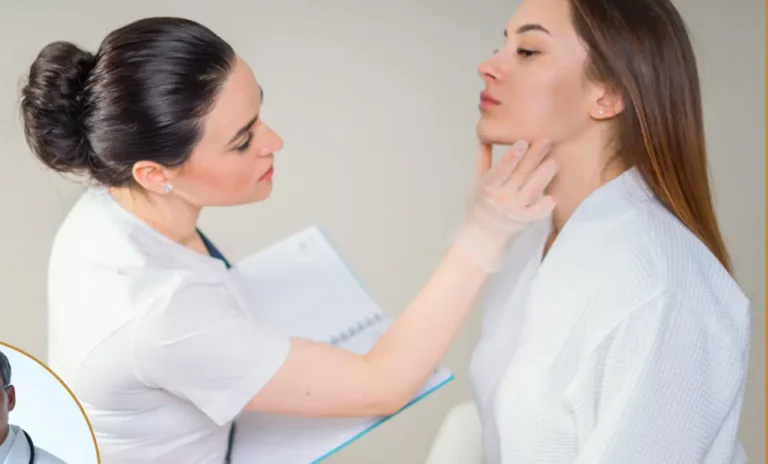
A simple at-home check: wash with a gentle cleanser, wait an hour without applying anything, and notice how your skin feels and looks. Tightness with flaking all over points to dryness; tightness with shine appearing on the nose or forehead points to dehydration on oilier skin. Our guide on how to know your skin type walks through this in more detail. Many people have both, so a professional assessment, including skin scanning of hydration levels, is often the clearest way to know.
What causes each, especially in the UK
Dryness is largely down to genetics, age and hormonal change, though the environment makes it worse. Dehydration is more often triggered by things you can change:
- Central heating and cold, windy weather
- Long, hot showers and foaming cleansers that strip the skin
- Over-exfoliating, or layering too many active ingredients
- Air conditioning, travel and flying
- Alcohol, poor sleep and not drinking enough water
What helps at home
For dry skin: replace the oil
- Use a cream or balm cleanser rather than a foaming wash
- Choose richer moisturisers containing ceramides, fatty acids or squalane
- Seal in moisture at night with a slightly heavier layer
- Keep exfoliation gentle and occasional
For dehydrated skin: add water, then hold it in
- Apply humectants, such as hyaluronic acid or glycerin, to slightly damp skin
- Follow with a moisturiser to lock that water in
- Pause strong actives until skin feels comfortable again
- Swap hot water for lukewarm and keep cleansing brief
Daily SPF helps both, as UV damage weakens the barrier over time.
In-clinic treatments that can help
When home care is not enough, treatment can be planned around which problem you have.
Skin boosters
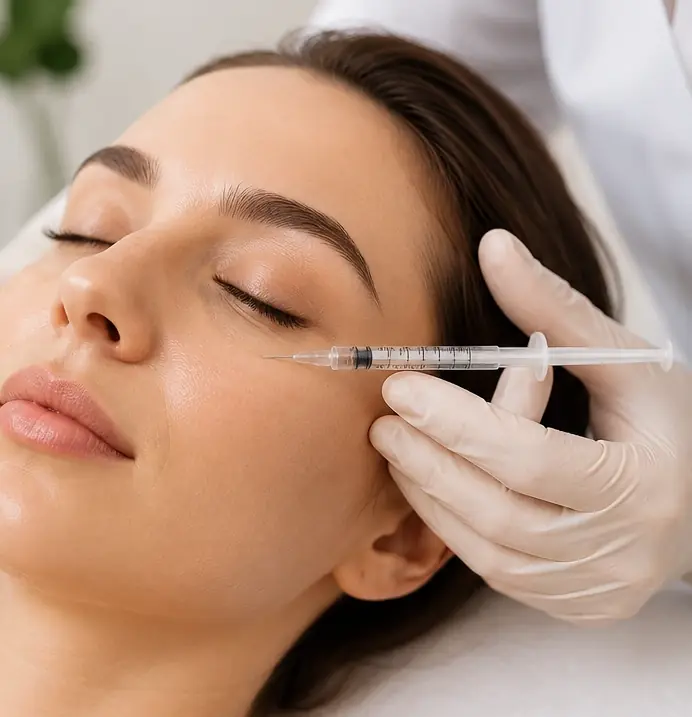
For persistent dehydration, dullness and loss of bounce, skin booster treatment in Liverpool delivers hydrating ingredients directly into the skin through micro-injections. Sessions take around 30 to 45 minutes, many people notice better hydration within days, and texture and elasticity continue to improve over the following weeks. A course is recommended, with maintenance every three to six months. Mild redness, swelling or small injection marks are common and usually settle quickly.
Obagi Enrich Facial
If dryness and dehydration have left skin dull and rough, the Obagi Enrich facial combines a gentle exfoliation with vitamin C, hydration and SPF in a 60-minute, £150 appointment. Light flaking may occur for several days afterwards. If your barrier is very compromised, sore or cracked, some barrier repair at home may be recommended before any exfoliating treatment.
Nano needling
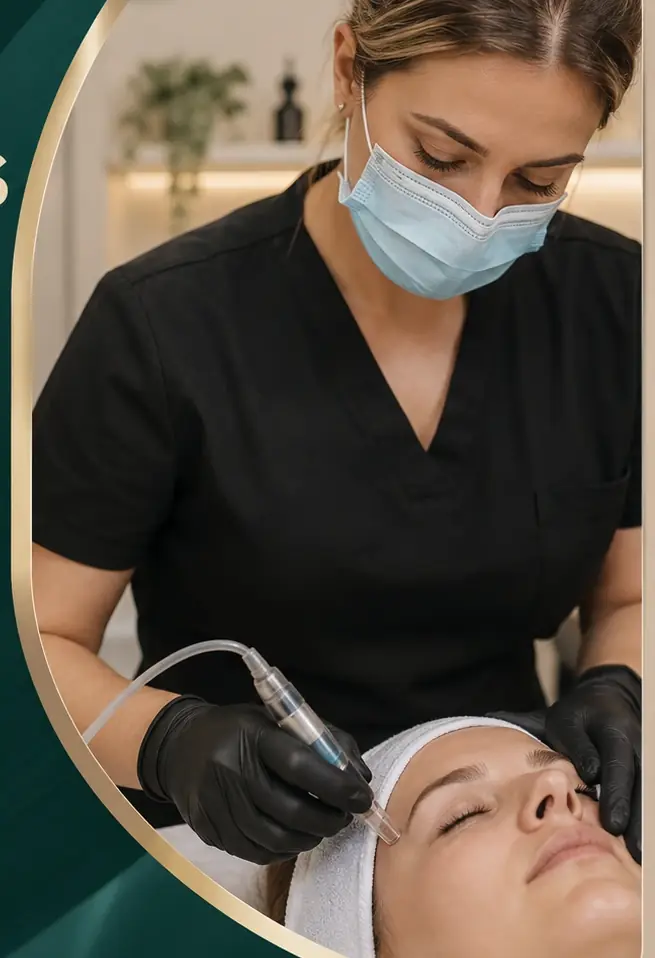
For a gentler option, nano needling helps serums absorb more effectively without puncturing the skin, with minimal downtime.
Injectable and exfoliating treatments are not suitable during pregnancy or breastfeeding, with an active skin infection, or on broken or inflamed skin, and suitability is always checked first.
When to see your GP
Very dry skin that is itchy, red, cracked, bleeding or patchy can be a sign of eczema, psoriasis or another condition that needs medical treatment. Dryness that appears alongside tiredness, weight changes or feeling cold all the time is also worth mentioning to your GP.
Frequently asked questions
Can oily skin be dehydrated?
Yes. Oil and water are different things, so skin can be shiny and dehydrated at the same time.
Will drinking more water fix dehydrated skin?
It helps general health, but skin hydration depends mostly on a healthy barrier and the right products.
Is dry skin the same as sensitive skin?
Not always, but a weakened barrier from dryness can make skin more reactive.
Are skin boosters or a facial better for dehydrated skin?
They do different jobs. A facial works on the surface and can leave skin looking brighter straight away, while skin boosters place hydration within the skin and build over weeks. Some people use both, and an assessment helps decide where to start.
Book a consultation in South Liverpool
Not sure whether your skin is dry, dehydrated or both? Visit us at Business First Centre, Goodlass Road (L24) for an assessment. Book online or call 0151 804 4207.
This guide is general information and not a substitute for a personal consultation. Suitability for any treatment is assessed individually.