Choosing a safe aesthetics practitioner means looking past price and photos to the things that protect you: checkable qualifications and registration, proper prescribing for prescription-only injectables, insurance, a thorough consultation, clean clinical premises and a clear plan if something goes wrong. This checklist explains what to look for and the questions to ask before booking.
Why choosing carefully matters
Non-surgical treatments are widely available in the UK, and many are carried out safely every day. But injectables, peels and lasers all act on living tissue, and complications, while uncommon, can happen even in skilled hands. What differs between practitioners is how well they assess you beforehand, how they reduce risk, and how quickly and competently they respond if a problem arises. The UK government has also been working on a licensing scheme for non-surgical cosmetic procedures in England, which reflects how seriously the issue is taken. Until any scheme is fully in place, it is largely up to you to check.
1. Check qualifications and professional registration
Healthcare professionals in the UK are registered with a regulator, and those registers are public and free to search online. You can check:
- Nurses on the Nursing and Midwifery Council (NMC) register
- Doctors on the General Medical Council (GMC) register
- Dentists on the General Dental Council (GDC) register
- Pharmacists on the General Pharmaceutical Council (GPhC) register
Registration means the professional is accountable to a regulator and must meet its standards of conduct. Ask for the practitioner’s full name and registration details, then look them up yourself. Beyond registration, ask what specific aesthetic training they have completed for the treatment you want, and how they keep it up to date. Membership of groups focused on complication management is another useful sign.
2. Understand who prescribes your treatment
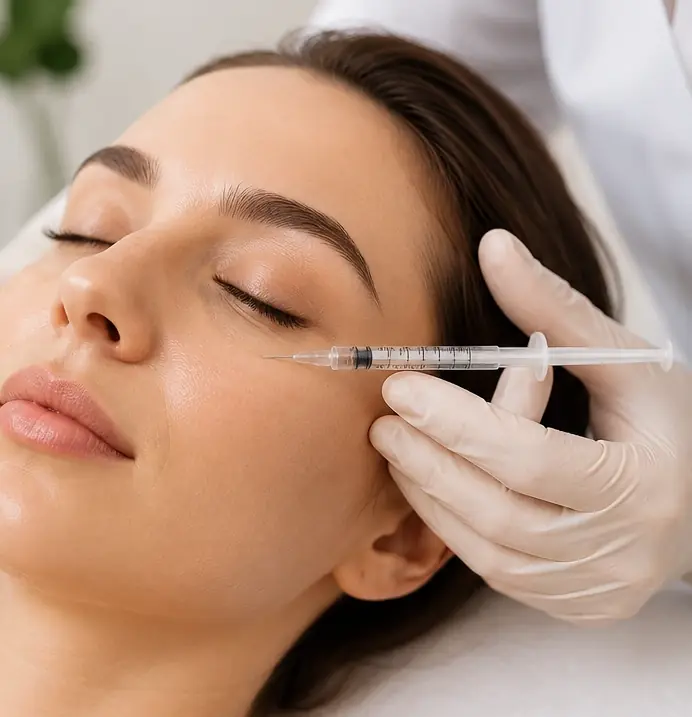
Anti-wrinkle injections are a prescription-only medicine. That means a qualified prescriber must assess you before the medicine is prescribed for you, and professional guidance expects that assessment to be done properly, in person, with your medical history taken into account. Be cautious of:
- No prescriber involvement at all, or vague answers about who prescribes
- Prescription-only products offered without any consultation
- Products of unclear origin, unusually cheap prices or unbranded packaging
It is reasonable to ask which product will be used, where it is sourced from and who prescribes it. In England, it is also illegal to give anti-wrinkle injections or dermal fillers to under-18s for cosmetic purposes.
3. Ask about insurance
A responsible practitioner holds professional indemnity and liability insurance that covers the treatments they offer. It protects you if something goes wrong. It is fine to ask whether they are insured for the specific treatment you are booking.
4. Expect a proper consultation and time to decide
A consultation is not a formality. It should include:
- A full medical history, including medicines, allergies, pregnancy or breastfeeding and previous treatments
- A discussion of what you want to change and whether that is realistic
- An explanation of the risks, side effects, downtime and costs
- Alternatives, including doing nothing
- Written or clear verbal consent, and time to think before you commit
Feeling rushed into treatment on the spot is a warning sign. A cooling-off period, especially for injectables, gives you time to reflect, ask more questions and change your mind. Our skin consultation in Liverpool is designed as a standalone appointment for exactly this reason.
5. Look at the premises
Treatments should take place in a clean, professional clinical environment. Look for:
- A clean treatment room with good lighting and a proper treatment couch
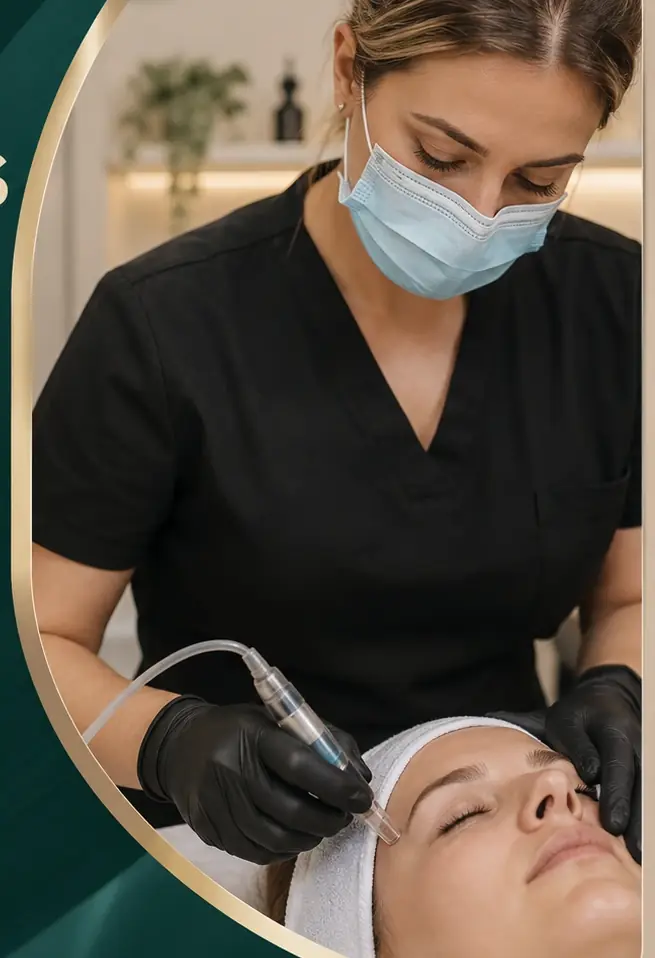
- Hand washing, gloves and single-use needles and consumables
- Products stored correctly and opened in front of you where appropriate
- A private space for your consultation
Treatment parties, hotel rooms or settings where alcohol is involved make it much harder to keep standards safe.
6. Ask how aftercare and complications are handled
This is one of the most revealing questions you can ask. A safe aesthetics practitioner will be able to tell you:
- What normal recovery looks like and which symptoms need urgent attention
- How to contact them after treatment, including out of hours
- Whether a follow-up or review appointment is included
- How they would recognise and manage a complication, including access to emergency medicines and onward referral if needed
You should leave with written aftercare advice. If you develop severe pain, skin colour changes, vision changes or difficulty breathing after any injectable treatment, seek urgent medical help straight away.
7. Listen for realistic, honest advice
Good practitioners turn people away. If you are told a treatment is not right for you, that you need less than you expected, or that you should see your GP first, that is a sign of care, not a lost sale. Be wary of promises of perfect or permanent results, pressure to buy more, or heavily discounted offers with time limits.
How we approach safety at The Aesthetics Table
As an example of what to look for, The Aesthetics Table is a medically-led clinic where your consultation, treatment and follow-up are all with one practitioner. Leanne Rea is a Registered Adult Nurse on the NMC register, holds a BSc (Hons) in Adult Nursing from the University of Chester, and is a member of the Aesthetics Complications Expert (ACE) Group, which focuses on preventing and managing complications. Treatment plans start with an assessment of your skin and medical history, and if a treatment is not right for you, you will be told. You can read what clients say in our Google reviews.
Frequently asked questions
How do I check if an aesthetics nurse is registered?
Search their name on the NMC’s public online register. It shows whether they are currently registered.
Is the cheapest clinic a false economy?
Not always, but very low prices can mean shortcuts on products, training or aftercare. Ask what is included before you compare.
Do I need a consultation before anti-wrinkle injections?
Yes. A prescriber must assess you before a prescription-only medicine is prescribed, and a consultation is also when risks are explained.
What should I do if something feels wrong after treatment?
Contact your practitioner straight away. If you cannot reach them or symptoms are severe, contact NHS 111 or seek emergency care.
Book a consultation in South Liverpool
If you would like an unhurried consultation with a Registered Nurse, visit us at Business First Centre, Goodlass Road (L24). Book online or call 0151 804 4207 with any questions.
This guide is general information and not a substitute for a personal consultation. Suitability for any treatment is assessed individually.