Crepey skin is thin, finely wrinkled skin that looks a little like crepe paper. It often appears under the eyes, on the neck and chest, and on the backs of the hands and upper arms. It is a very common change with age and sun exposure, and while it cannot be reversed completely, skin quality can often be improved. This guide explains why crepey skin develops and the treatments we use at The Aesthetics Table in South Liverpool.
What causes crepey skin?
- Loss of collagen and elastin. From our mid-twenties, the skin gradually makes less of the proteins that keep it firm and springy.
- Sun damage. UV exposure breaks down collagen and elastin faster, which is why the neck, chest and hands are often affected.
- Dehydration. Skin that holds less water looks thinner and creases more easily.
- Hormonal changes, particularly around the menopause, when skin often becomes thinner and drier.
- Weight changes, which can leave skin less supported.
- Smoking, which reduces blood supply and accelerates collagen loss.
If skin changes appear suddenly, are widespread or come with other symptoms, it is worth speaking to your GP, as some medicines and medical conditions can affect the skin.
Treatments that can improve crepey skin
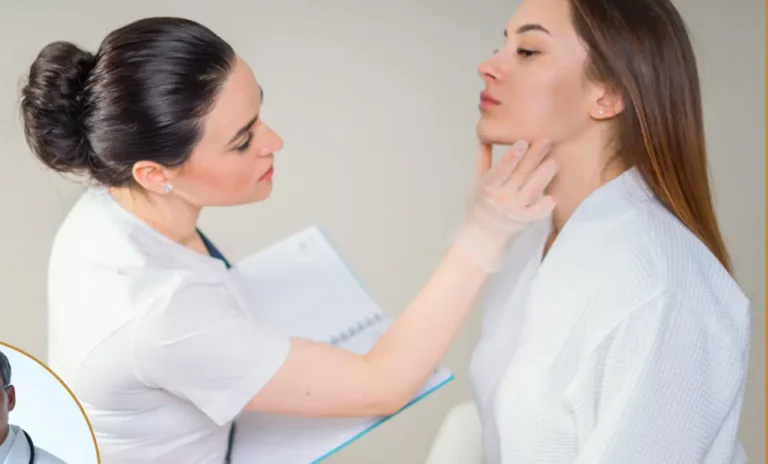
Because crepey skin is mainly a skin quality problem rather than a volume problem, treatments that hydrate the skin and support collagen tend to suit it best. Your practitioner will suggest a plan after looking at the area, your skin and your goals.
Profhilo
Profhilo is a hyaluronic acid injectable that spreads beneath the skin to improve hydration and skin quality. It is often used on the face, neck and décolletage, usually as two sessions about a month apart. Our guide to how long Profhilo lasts explains what to expect.
Polynucleotides
Polynucleotides are injectables made from purified DNA fragments that are used to support skin repair and quality. They are often chosen for delicate areas such as under the eyes and the neck, and are usually given as a course.
Sculptra
Sculptra is a collagen stimulator that works gradually over several months. It can suit people whose skin is thinning and losing support, rather than those who only have surface crepiness.
Skin boosters
Skin boosters deliver hydration into the skin and can improve texture and glow, particularly on the face and hands.
Nano needling and laser
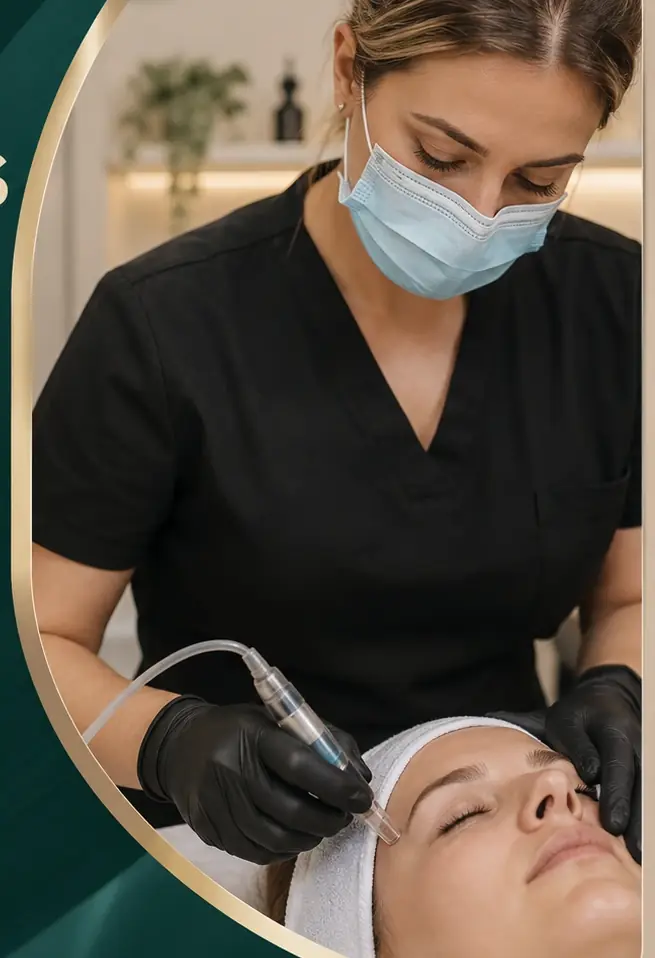
Nano needling (£150 for a 60-minute session) and laser skin rejuvenation support skin renewal and can improve texture and tone, especially where sun damage is part of the picture.
Treatment by area
Under the eyes
The skin here is very thin, so gentle, skin-quality treatments such as polynucleotides are often preferred. Hollows under the eyes are a different concern and may be discussed separately, for example on our tear trough filler page.
Neck and chest
These areas see a lot of sun and often show crepey texture early. Profhilo, polynucleotides and laser can all play a part, alongside daily SPF.
Hands
Thin skin on the backs of the hands can make veins and tendons more visible. Skin quality treatments and sun protection can help hands look more in keeping with the face.
What you can do at home
- Wear broad-spectrum SPF every day on the face, neck, chest and hands
- Moisturise daily to support the skin barrier
- Use skincare with ingredients that support collagen and even tone, as recommended for your skin
- Avoid smoking and sunbeds
At-home care will not reverse established crepey skin on its own, but it protects the results of clinic treatments and slows further change.
Being realistic about results
Treatment can make crepey skin look smoother, more hydrated and healthier, but it will not make thin skin thick again or remove all fine lines. Results build gradually over weeks to months and usually need maintenance. A good consultation should give you an honest view of what is realistic for your skin.
Frequently asked questions
Can crepey skin be reversed?
Not completely, but skin quality can often be improved with treatment, skincare and sun protection.
Which treatment works best for crepey skin?
It depends on the area and the cause. Many people do best with a combination, such as an injectable for skin quality plus resurfacing and good skincare.
Is filler good for crepey skin?
Usually not on its own. Filler adds volume to specific areas, while crepey skin is mainly about skin quality and hydration.
How long until I see a difference?
Most skin quality treatments work gradually, with changes building over several weeks after a course.
Book a consultation in South Liverpool
Every treatment at The Aesthetics Table is nurse-led and starts with a consultation. We are at Business First Centre, Goodlass Road, Liverpool L24 9HJ, with parking on site. Book online or call 0151 804 4207.
This guide is general information and not a substitute for a personal consultation. Suitability for any treatment is assessed individually.