For many people, the best time for laser treatment, chemical peels and pigmentation work is between autumn and early spring. UV levels in the UK are much lower, you are less likely to have a tan, and freshly treated skin is easier to protect while it heals. That lowers the risk of new pigmentation and gives a course time to build.
Why sunlight and skin treatments do not mix
Laser, resurfacing peels and pigmentation treatments all work by creating a controlled response in the skin: heating targeted pigment, removing damaged surface layers or speeding up cell turnover. For days or weeks afterwards, that skin is more reactive than usual. Three things make sun exposure a particular concern during that window:
- Post-inflammatory pigmentation. Treated or healing skin can respond to UV by producing extra melanin, which may leave darker patches, the very thing many people are trying to treat. This risk is higher in deeper skin tones.
- Tanned skin changes how laser behaves. Laser energy is attracted to pigment. A recent tan, natural or from a sunbed, adds pigment to the surface and can make treatment less predictable, so it is often postponed until the tan has faded.
- Healing skin burns more easily. After a peel, the new skin underneath is delicate and has less natural protection.
In summer, keeping that skin covered and out of strong sun for weeks at a time is hard: holidays, gardens, outdoor events and long evenings all get in the way. In the colder months, it is much simpler.
What makes autumn and winter a practical window
Lower UV is the main reason, but it is not the only one. The colder months also tend to bring:
- Fewer beach holidays and less time outside in strong sun
- Hats, scarves and shorter days that naturally limit exposure
- Faded summer tans, so skin is closer to its baseline colour at assessment
- A run of several months to complete a course before spring and summer return
Summer is also when pigmentation tends to be at its most visible, which is often when people decide to do something about it. Booking an assessment in early autumn means treatment can begin as UV drops, rather than waiting until marks have darkened again the following year.
Treatments that suit the colder months
| Treatment | Why cooler months help | Typical recovery |
|---|---|---|
| Laser skin rejuvenation | Courses are spaced several weeks apart, so an autumn start can finish before spring | Minimal; temporary redness or warmth |
| TCA peel | New skin is delicate for weeks and needs strict sun avoidance | Around three to seven days of redness, tightness and peeling |
| Pigmentation resurfacing | Less UV means less chance of pigment being re-triggered mid-course | From mild flaking for one to three days, depending on level |
Laser skin rejuvenation
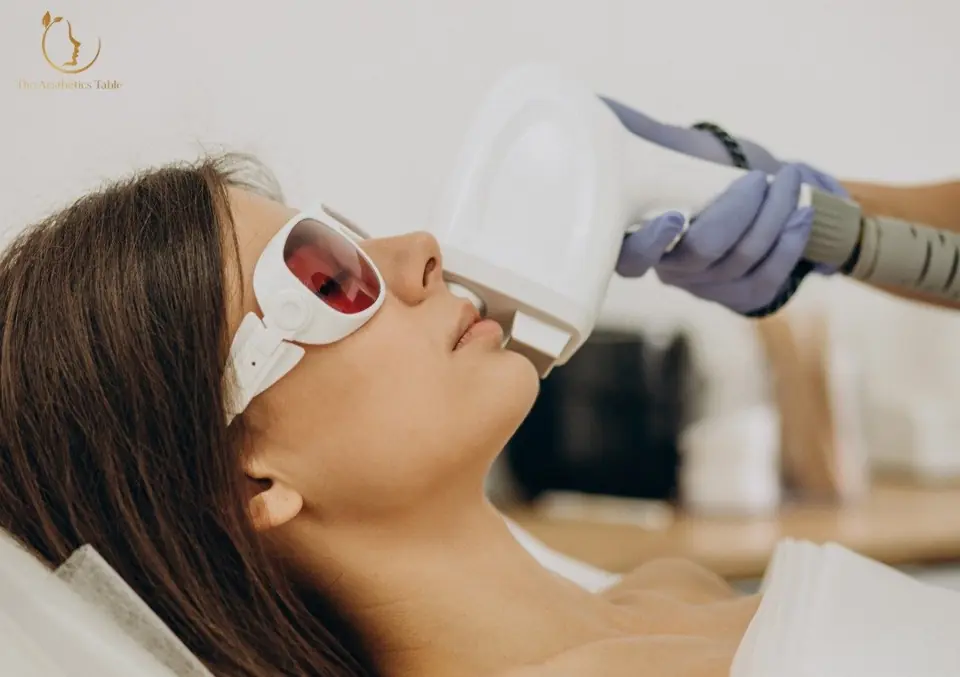
Laser skin rejuvenation in Liverpool is used for pigmentation, sun damage, redness, acne scarring and early signs of ageing. It is usually planned as a course, with prices listed for single sessions and a course of four, and results build gradually over six to twelve weeks as collagen renews. Starting in autumn lets you complete a course while the sun is weak.
Medium-depth peels
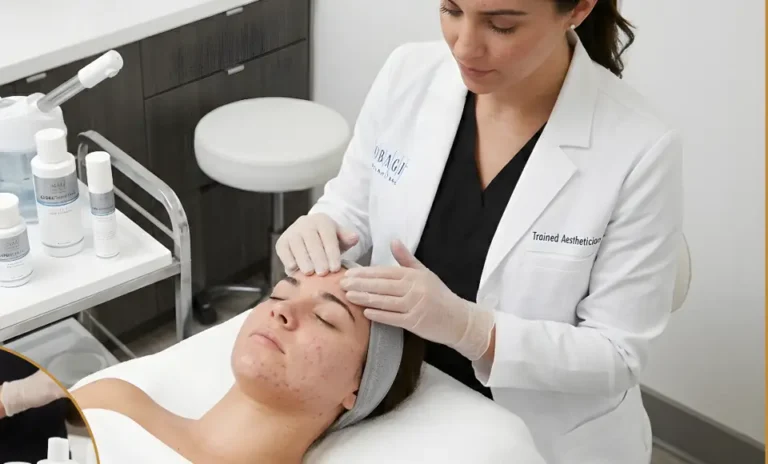
A TCA peel in Liverpool works deeper than a superficial peel, so it brings more visible peeling and a longer period where the skin must be protected. It is a 60-minute treatment priced at £250 per session, and the cooler months make the week of peeling, and the weeks of careful sun protection after it, much easier to manage. If you have a party or event coming up, schedule the peel at least a couple of weeks beforehand.
Pigmentation programmes
Sun spots, post-acne marks and melasma are all made worse by UV. A structured pigmentation treatment plan may combine resurfacing levels, medical-grade skincare and laser depending on the type and depth of pigment. Sessions are 60 minutes, with a single session at £160 or a course of six at £800. Melasma in particular is easily re-triggered by sun and heat, so a winter start gives it the calmest conditions. Our guide to melasma and hyperpigmentation explains why the two need different approaches.
SPF is still needed in winter
Lower UV does not mean no UV. UVA, the type most linked to pigmentation and skin ageing, is present all year and passes through cloud and window glass. Snow, winter sun and bright, cold days can also reflect light back onto the face. If you are having any of the treatments above, plan on:
- A broad-spectrum SPF 30 or higher every morning, all year round
- Reapplying if you are outside for long periods
- Avoiding sunbeds completely during and after a course
- Telling us about any winter sun holidays or ski trips before booking, so sessions can be timed around them
Consistent daily protection is what keeps results from fading once a course has finished.
Who should wait or check first
Colder months make treatment easier, but suitability still comes first. Treatment may need to be delayed or adapted if you:
- Are pregnant or breastfeeding
- Have an active skin infection, open wounds or a cold sore flare (tell us if you are prone to cold sores)
- Have a recent tan, sunburn or fake tan on the area
- Take medicines or supplements that make skin more sensitive to light
- Have recently had another facial procedure that has not fully healed
Cold weather and central heating can also leave skin drier and more sensitive, so a short period of barrier care beforehand is sometimes recommended. Contact the clinic, or your GP out of hours, if you notice increasing pain, swelling, blistering or signs of infection after any treatment.
Frequently asked questions
Can I have laser treatment in summer?
Sometimes, depending on the treatment and your skin, but strict sun protection is needed and a tan may mean postponing. Autumn and winter are simply easier for most people.
When should I book if I want results by spring?
An assessment in September or October gives enough time for most courses, which are spaced several weeks apart.
Do I need SPF on cloudy winter days?
Yes. UVA reaches the skin year-round, so daily SPF matters during treatment and afterwards.
Is a peel before Christmas a good idea?
It can be, as long as you leave enough time for peeling to settle. Allow at least two weeks before an important event.
Book a consultation in South Liverpool
If you would like to make the most of the cooler months, start with an assessment at our clinic at Business First Centre, Goodlass Road (L24). Book your consultation online or call 0151 804 4207 to plan your course.
This guide is general information and not a substitute for a personal consultation. Suitability for any treatment is assessed individually.