
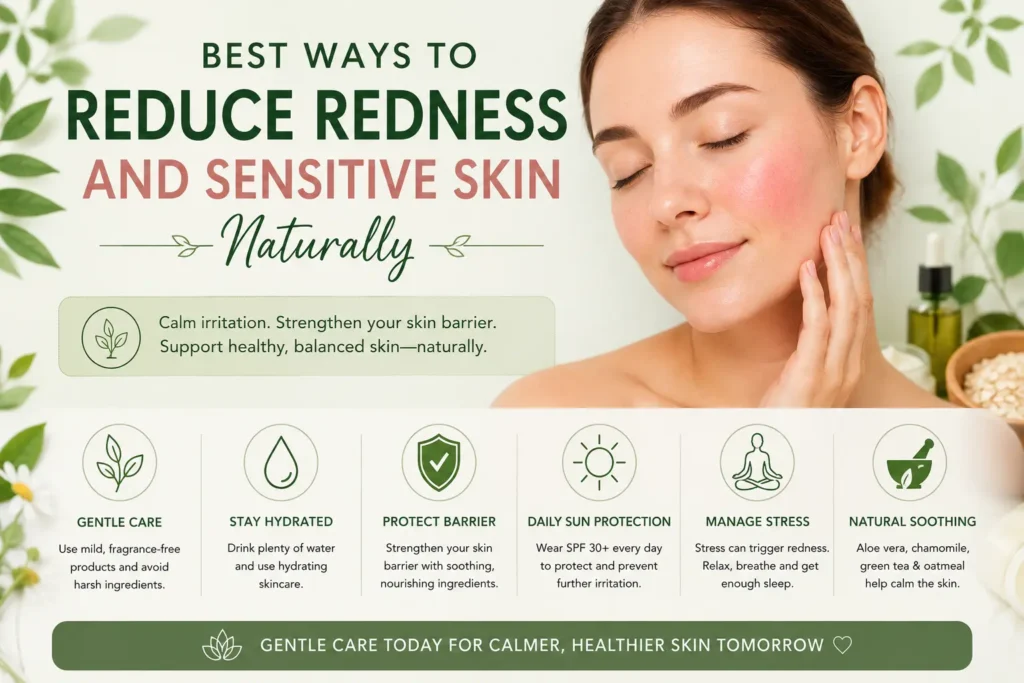
Redness and skin sensitivity can sometimes appear gradually without a clear reason. For some people, the skin starts reacting after over exfoliating or using strong skincare products too frequently. Others notice flare ups linked to weather changes, stress, dehydration, or a weakened skin barrier. When irritation becomes more frequent, the temptation is often to keep trying new products. In reality, overly complicated skincare routines can sometimes make the skin feel even more reactive.
Learning how to Reduce Redness and Sensitive Skin Naturally often starts with simplifying routines and giving the skin time to recover properly. At The Aesthetics Table Liverpool, skincare recommendations are tailored around skin sensitivity, hydration levels, and long term skin health rather than aggressive skincare trends.
Why Redness and Sensitivity Develop
Skin redness can happen for many different reasons. In some cases, it may be temporary irritation, while in others the skin barrier may already be struggling to maintain proper balance.
Common triggers include:
- harsh exfoliants
- over cleansing
- dehydration
- excessive sun exposure
- weather changes
- stress
- strong active ingredients
- heat exposure
People trying to Reduce Redness and Sensitive Skin Naturally often benefit more from calming routines and barrier support than aggressive skincare products.
Gentle Cleansing Can Calm the Skin
Sensitive skin often reacts better to consistency than constant product changes. Harsh scrubs and heavily fragranced cleansers may sometimes increase irritation instead of improving the skin.
A calmer routine often focuses on:
- gentle cleansing
- hydration
- barrier support
- moisturising
- SPF protection
A gentle skincare routine is usually one of the most important steps to help Reduce Redness and Sensitive Skin Naturally without increasing irritation further. Some individuals dealing with ongoing facial redness may also consider Chronic Redness Treatment depending on their skin concerns.
Hydration Helps Support the Skin Barrier
When the skin barrier becomes weakened, irritation and dryness may become more noticeable. Hydrated skin is often more comfortable, balanced, and less reactive overall.
Healthy hydration habits may include:
- drinking enough water
- using lightweight moisturisers
- avoiding over drying products
- limiting harsh exfoliation
Supporting hydration levels consistently may help Reduce Redness and Sensitive Skin Naturally while improving overall skin comfort and texture. For people struggling with dehydrated and reactive skin, Skin Booster Treatment may also support hydration and overall skin quality depending on suitability.
Sun Exposure Often Makes Redness Worse
UV exposure is one of the biggest triggers for ongoing redness and irritation. Even during colder months, sun exposure may still contribute to:
- inflammation
- dehydration
- barrier damage
- uneven skin tone
- visible sensitivity
Daily SPF remains one of the most effective habits for people trying to Reduce Redness and Sensitive Skin Naturally over time. The NHS sun protection guidance also explains how UV exposure affects skin health and sensitivity.
Too Many Products Can Increase Irritation
One of the most common skincare mistakes is introducing too many active ingredients too quickly. Sensitive skin usually responds better when routines stay simple and balanced. Overusing acids, scrubs, and strong exfoliating products can make it harder to Reduce Redness and Sensitive Skin Naturally, especially when the skin barrier is already weakened.
In many cases, a smaller routine focused on:
- hydration
- SPF
- moisturising
- gentle cleansing
works better than constantly switching between trend driven products. Some individuals dealing with both dullness and sensitivity may also explore Skin Treatments for Dull Skin and Tired Looking Skin for broader skin support.
Lifestyle Habits Also Influence Skin Sensitivity
Skin sensitivity is not always linked only to skincare products. Everyday habits can also affect how reactive the skin becomes over time.
Factors that may contribute include:
- poor sleep
- dehydration
- stress
- smoking
- alcohol
- poor diet
Daily habits such as hydration, sleep quality, and stress management may all influence how effectively the skin can Reduce Redness and Sensitive Skin Naturally over time. Some people researching local skin support options may also be interested in Sensitive Skin Treatments Childwall depending on their location and skin concerns.
Professional Advice May Help Persistent Redness
Occasional redness may improve through gentle skincare and hydration changes, but persistent irritation sometimes benefits from professional assessment.
Professional skin analysis may help identify:
- irritation triggers
- barrier health concerns
- skin sensitivity patterns
- treatment suitability
- long term skincare approaches
For ongoing irritation or flare ups, professional skincare advice may help people Reduce Redness and Sensitive Skin Naturally through more personalised skin support.
Final Thoughts
Learning how to reduce redness and sensitive skin naturally often involves simplifying skincare, improving hydration, and protecting the skin barrier consistently over time. Gentle cleansing, SPF protection, and avoiding harsh products may all help support calmer and healthier looking skin. Long term routines focused on hydration, SPF protection, and barrier support may help Reduce Redness and Sensitive Skin Naturally while improving overall skin comfort and balance. Professional assessment may also help identify suitable treatments and long term skincare approaches based on individual skin concerns.
FAQs
What causes sensitive skin and redness?
Redness and sensitivity can be linked to dehydration, harsh skincare products, weakened skin barrier function, weather exposure, and inflammation.
How can I reduce redness and sensitive skin naturally?
Gentle skincare, hydration, SPF protection, and avoiding irritation triggers may help calm sensitive skin naturally over time.
Can over exfoliation cause redness?
Yes. Excessive exfoliation may weaken the skin barrier and increase irritation and inflammation.
Is SPF important for sensitive skin?
Yes. Daily SPF helps protect sensitive skin from UV related irritation and inflammation.
Can dehydration make redness worse?
Dehydrated skin may become more reactive and prone to irritation, dryness, and visible redness.
When should I seek professional skin advice?
Persistent redness, irritation, or sensitivity that does not improve with gentle skincare may benefit from professional assessment.