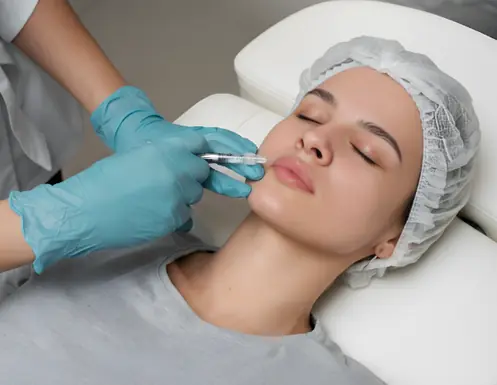
If you are having lip filler for the first time, expect a consultation first, a treatment of around 45 minutes with numbing cream, and some swelling for the first couple of days. Your lips settle over about two weeks, and filler typically lasts 6 to 12 months. Starting subtly is the best way to learn what suits you.
Step 1: Before you book
A little preparation makes the whole process calmer. Before you choose a clinic, it helps to think about:
- What you actually want. More definition, better balance between the top and bottom lip, a little hydration, or more volume? Photos of lips you like can help, as long as they suit your face shape.
- Your age. In England it is illegal to give dermal fillers for cosmetic purposes to anyone under 18.
- Timing. Avoid booking right before a wedding, holiday or big event. Give yourself at least two weeks for swelling to settle.
- Who will treat you. Ask about their qualifications, how they assess medical history and what aftercare support you will get.
Our lip filler and dermal fillers page explains the areas we treat and the starting price of £140 for a 45-minute session.
Step 2: The consultation
A consultation is where you find out whether lip filler is right for you, not just how much to have. You can expect questions about your medical history, medications, allergies and any previous aesthetic treatment. Your lip shape, proportions and facial balance are assessed, and you should come away with a clear idea of what is realistic.
Tell your practitioner if you:
- get cold sores, as lip treatment can sometimes trigger a flare
- take blood-thinning medicines or supplements, which can increase bruising
- have any autoimmune condition, allergy history or recent dental work planned
- are pregnant or breastfeeding, as treatment would be postponed
If your main concerns are actually dry lips or the skin around the mouth, a broader skin consultation with our skin scanner may be a better first step. It takes 60 minutes and costs £50.
Lip filler or anti-wrinkle treatment?
Fine vertical lines above the lip are sometimes caused by muscle movement, not lost volume. Filler and anti-wrinkle treatment work in very different ways, and our guide to anti-wrinkle injections vs dermal fillers explains which concerns each is used for.
Step 3: On the day
Try to arrive with clean, make-up-free lips. Numbing cream is applied before treatment, and most people describe mild discomfort rather than pain. The filler itself is a hyaluronic acid gel, a substance your skin produces naturally.
For a first treatment, a conservative amount is usually wise. Lips often look bigger than the final result straight after treatment because of swelling, and you can always add more at a later appointment. Removing filler is possible, but it is a bigger step than adding a little more.
Step 4: The first two weeks
| Time | What is normal |
|---|---|
| Immediately | Fuller, more defined lips; some redness and tenderness |
| First 48 hours | Swelling is usually at its peak; lips may feel firm or slightly uneven |
| Days 3 to 7 | Swelling eases; any bruising begins to fade |
| About 2 weeks | Final shape and softness become visible |
| 6 to 12 months | Filler is gradually broken down by the body |
Aftercare checklist
- Do not touch, massage or press your lips for 48 hours unless you are told to
- Use ice, wrapped in a clean cloth, to help settle swelling
- Avoid strenuous exercise, saunas and alcohol for 24 hours
- Sleep on your back for the first night where possible
- Lip products and make-up can usually be applied the following day
- Wear SPF and keep lips moisturised
Try not to judge the result in the first few days. Swelling is often uneven, and one side can look bigger than the other until it settles.
Thinking about your next appointment
Once your lips have fully settled, you will have a much clearer idea of what you like. Some people are happy with a subtle first result; others decide they would like a little more definition or volume. It is sensible to wait until swelling has completely gone before deciding, and to treat any top-up as a fresh decision rather than a fixed schedule. Because lip filler is gradually broken down, many people plan maintenance around how their lips look rather than a set date.
Side effects and when to get help
Common, short-lived effects include swelling, tenderness, redness, bruising and small lumps that soften over the first week or so. These are usually nothing to worry about.
Contact the clinic straight away if you notice:
- severe or increasing pain, rather than steady improvement
- skin on or around the lips turning pale, white, blotchy, grey or dusky
- increasing heat, redness or swelling, or a raised temperature, which can suggest infection
- any change to your vision
Skin colour changes and severe pain can be signs of a rare complication where filler affects blood flow, which needs urgent attention. If you cannot reach the clinic, seek urgent medical care. Hyaluronic acid filler can be dissolved with hyaluronidase if it is clinically necessary or if you are unhappy with the result.
Frequently asked questions
Does lip filler hurt the first time?
Most people describe mild discomfort rather than pain. Numbing cream is used, and the appointment takes around 45 minutes.
How much lip filler should I get for my first time?
The amount depends on your lips and goals, and is agreed at consultation. A subtle first treatment lets you see how your lips respond before deciding on more.
How long until my lips look normal?
Most swelling settles within the first few days, and final results are usually visible after about two weeks.
How long will my first lip filler last?
Lip filler typically lasts 6 to 12 months because the lips move constantly. Your metabolism and lifestyle also play a part.
Book a consultation in South Liverpool
A first appointment is a chance to ask every question you have, with no obligation to go ahead on the day. The clinic is at Business First Centre, Goodlass Road (L24), with parking on site. Book your lip filler consultation online or call 0151 804 4207.
This guide is general information and not a substitute for a personal consultation. Suitability for any treatment is assessed individually.