To prepare for laser hair removal, you mainly need to do three things: stop waxing or plucking for several weeks beforehand, keep the area out of the sun and away from fake tan, and shave shortly before your appointment. Pausing strong active skincare and telling us about any medicines completes the picture, and good preparation helps every session work as well as it can.
Your preparation countdown
Preparation starts earlier than most people expect. This timeline gives you a simple plan to follow, and your practitioner will confirm the details for your skin at consultation.
| When | What to do |
|---|---|
| Around 4 weeks before | Stop waxing, threading, epilating, plucking and hair removal creams on the area. Shaving is fine. |
| 2 to 4 weeks before | Avoid sunbathing, sunbeds and fake tan on the area. Wear SPF daily on exposed skin. |
| Around 1 week before | Pause retinol, exfoliating acids and scrubs on the area unless told otherwise. Let us know about any new medicines. |
| The day before or the morning of | Shave the area closely with a clean razor. |
| On the day | Arrive with clean skin: no deodorant, body lotion, oil, perfume or make-up on the area. |
Shaving: why the razor is your friend
It surprises many people that shaving is encouraged before laser hair removal while waxing is not. The reason is simple. The laser targets the pigment in the hair root under the skin. Shaving removes only the hair above the surface and leaves the root in place, so there is still a target. Waxing, threading and epilating pull the root out, leaving the laser nothing to work on until it grows back.
Shaving shortly beforehand also matters because long hair on the surface absorbs energy and can singe, which is uncomfortable and wastes the treatment. A few tips:
- Use a fresh, clean blade to reduce nicks and irritation.
- Shave in the direction of growth if you are prone to shaving rash.
- Avoid shaving so close to your appointment that skin is freshly red or cut. For many people the evening before works well.
- For hard-to-reach areas such as the back, let us know and we can advise.
Between sessions, keep to shaving or trimming. This applies for the whole course, not just the first appointment.
Sun, sunbeds and fake tan
Tanned skin contains more pigment, which makes it harder for the laser to tell the difference between hair and skin. That raises the risk of burns, blistering and patches of lighter or darker skin. For that reason, recently tanned skin is usually not treated until the tan has faded.
- Holidays: plan your sessions around trips abroad. If you have been somewhere sunny, tell us before your appointment.
- Sunbeds: avoid them throughout your course.
- Fake tan: remove it fully and avoid reapplying on the area before treatment, as the colour sits on the skin and can interfere.
- Daily SPF: use a broad-spectrum sunscreen on exposed areas such as the face, arms and legs.
If your skin has caught the sun, it is better to reschedule than to risk a reaction. Honesty here protects your skin.
Skincare and medicines to mention
Some products make the skin more reactive. Unless your practitioner advises otherwise, it is sensible to pause these on the treatment area in the week before your appointment:
- retinol and other vitamin A products
- exfoliating acids such as glycolic or salicylic acid
- scrubs, exfoliating mitts and peels
Please also tell us about any medicines or supplements you take, even if they seem unrelated. Some antibiotics and other medicines increase sensitivity to light, and if you have taken acne tablets in the past year we need to know, as you may be asked to wait. Never stop a prescribed medicine to fit in a treatment; we will plan around it instead.
When to wait before booking
Laser may need to be postponed if you are pregnant or breastfeeding, have a cold sore, infection, cut or eczema flare in the area, or have a recent tan or sunburn. A history of keloid scarring, epilepsy triggered by light, or a recent new diagnosis should also be discussed first. A patch test may be carried out if required, which lets you see how your skin responds before a full session.
What happens at your first appointment
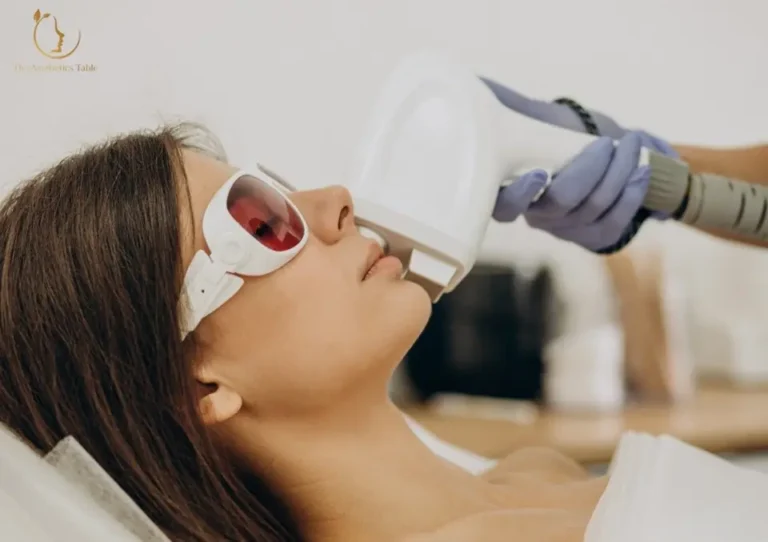
Your first visit begins with a conversation about your medical history, skin type, hair colour and goals. We check the area, explain how many sessions may be needed and talk you through aftercare. You will be given eye protection during treatment, and most people describe the sensation as a light snap against the skin. Appointments usually take between 15 and 45 minutes depending on the area.
Full details of areas, packages and prices are on our laser hair removal Liverpool page. If you are wondering how long the whole process might take, our guide on how many laser hair removal sessions you need explains why treatment is done as a course. Once you have had your session, our laser hair removal aftercare and results guide covers what to do next.
Frequently asked questions
How long before laser hair removal should I shave?
Many people find the evening before works best, giving any minor irritation time to settle. The morning of your appointment is also usually fine.
Can I wax between sessions?
No. Waxing removes the root the laser needs. Stick to shaving or trimming throughout your course.
I have just come back from holiday. Can I still be treated?
Tell us before your appointment. If your skin is tanned or burnt, we will usually suggest waiting until it has faded.
Should I wear deodorant to an underarm appointment?
Please come with clean, product-free skin. You can reapply deodorant once your practitioner says it is fine to do so.
Book a consultation in South Liverpool
If you have questions about preparing your skin, we are happy to talk them through before you start. Find us at Business First Centre, Goodlass Road (L24), book your consultation online, or call 0151 804 4207.
This guide is general information and not a substitute for a personal consultation. Suitability for any treatment is assessed individually.